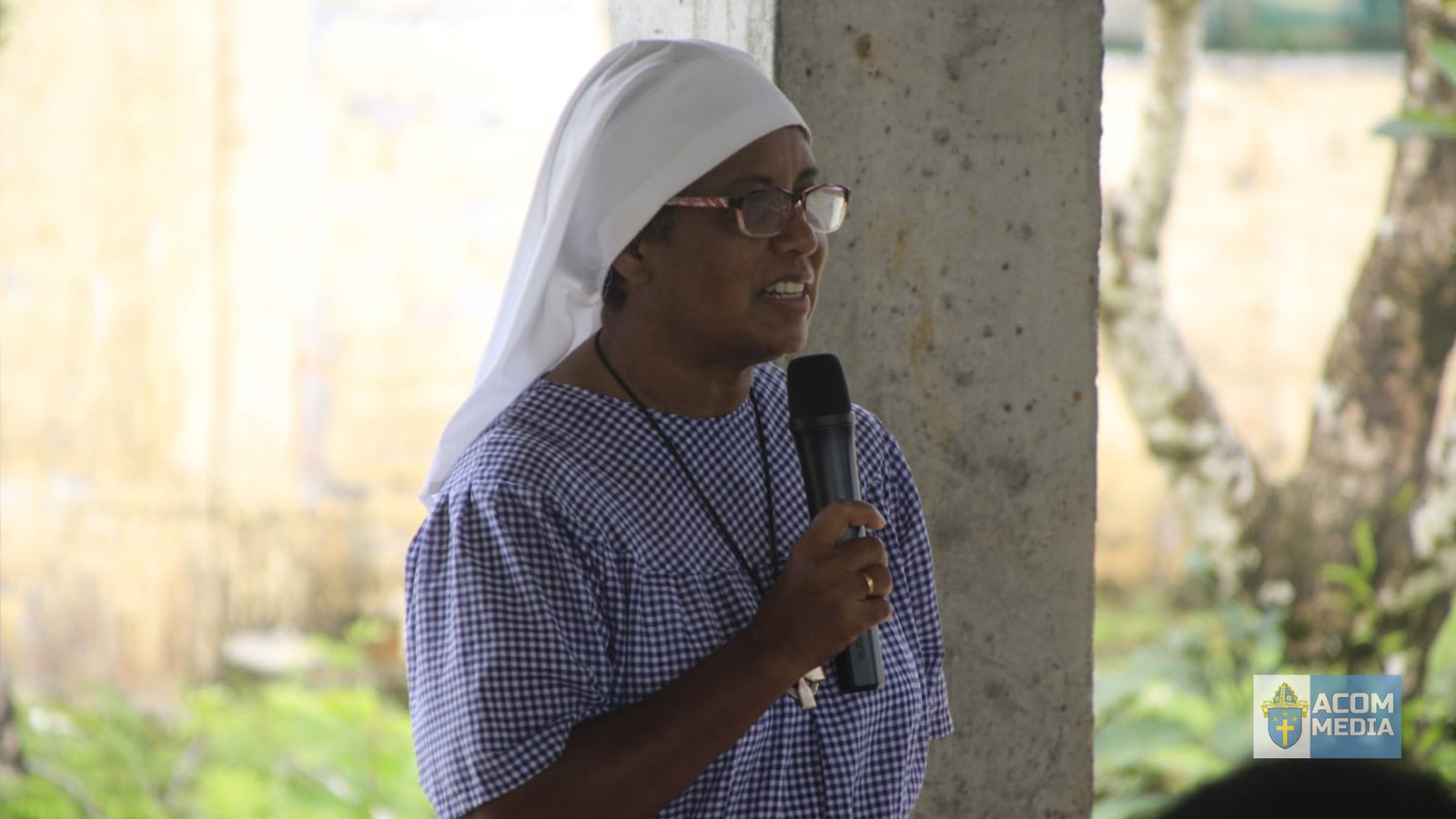
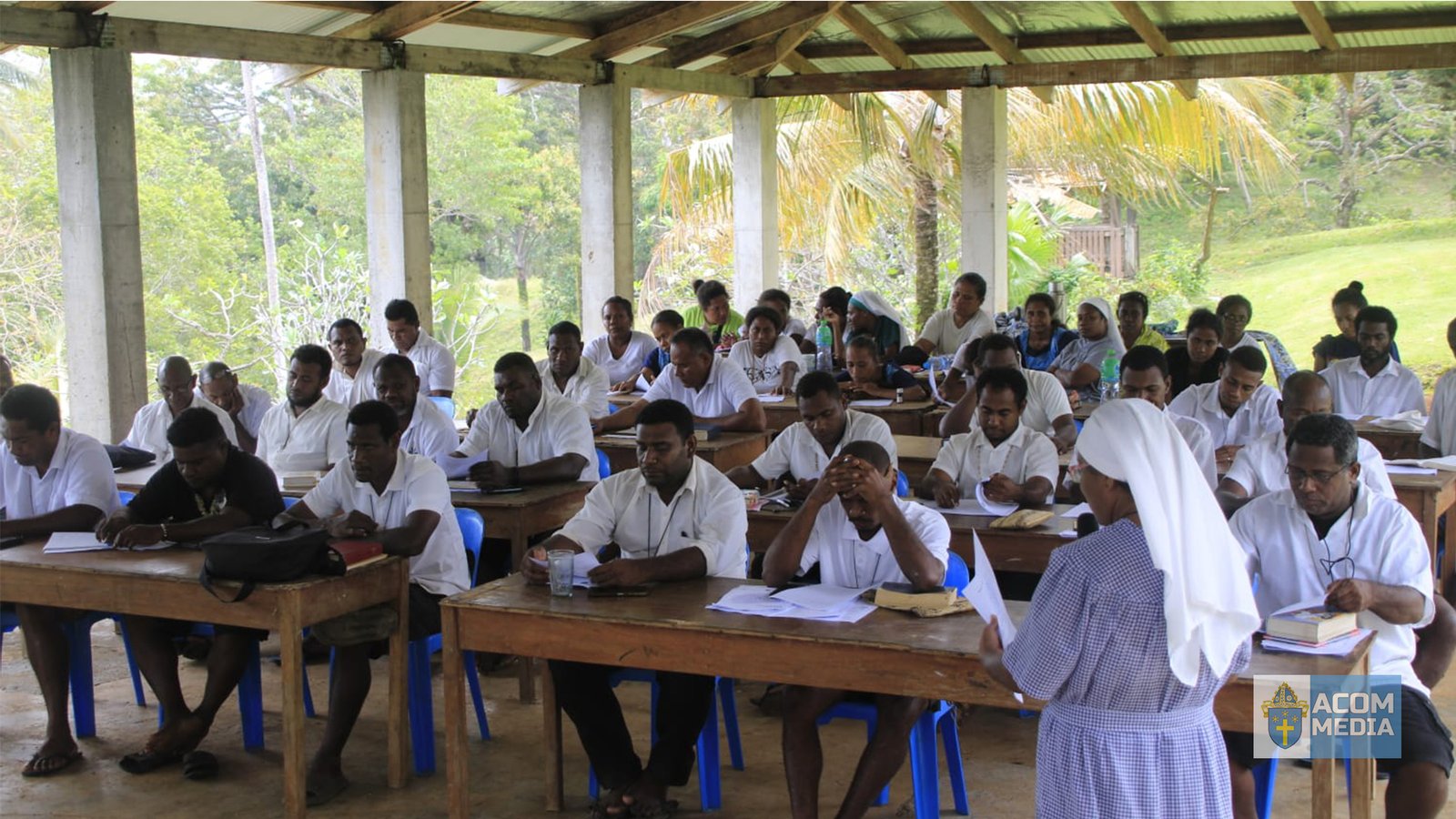
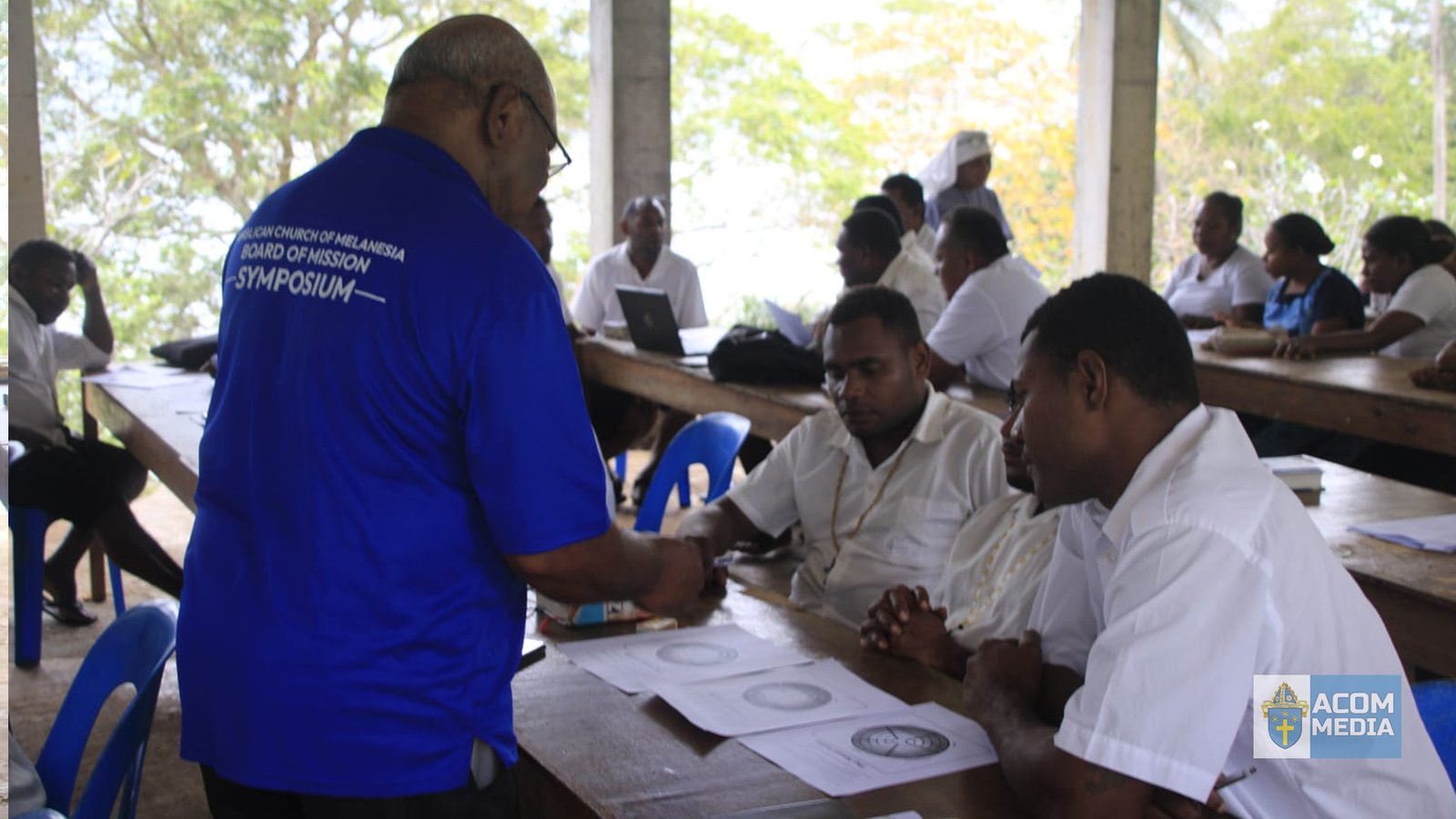
More than 180 Clergy, lay leaders and theological students in the Diocese of Isabel (DoY) have received safeguarding training, reinforcing the Church’s commitment to protecting children and vulnerable people.
The training was conducted under the Safe Church Programme of the Anglican Church of Melanesia (ACoM), coordinated by the Melanesian Board of Mission. It addressed pressing issues affecting communities, including child abuse, domestic and gender-based violence, sexual exploitation, and the risks faced by vulnerable groups during disasters.
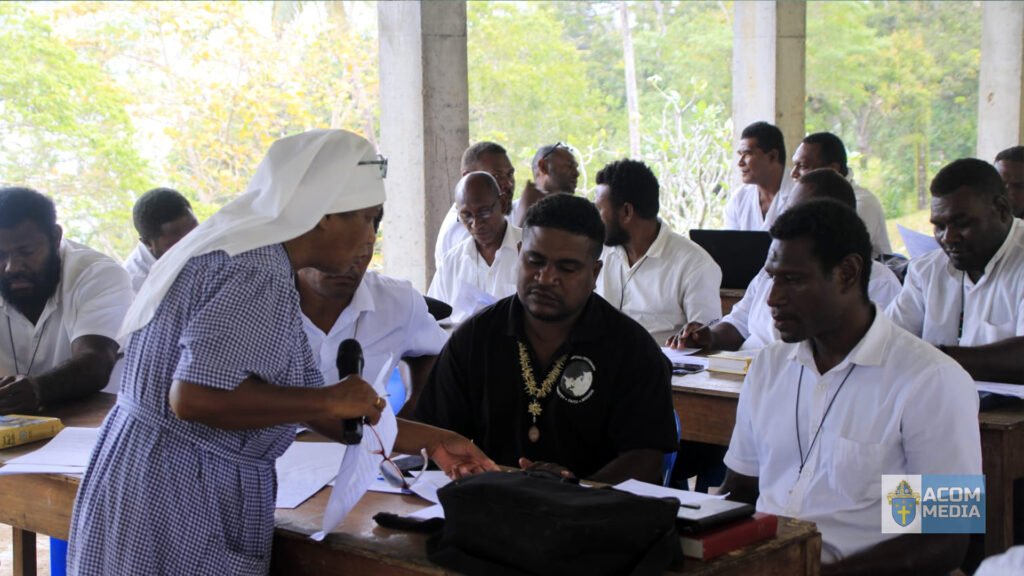
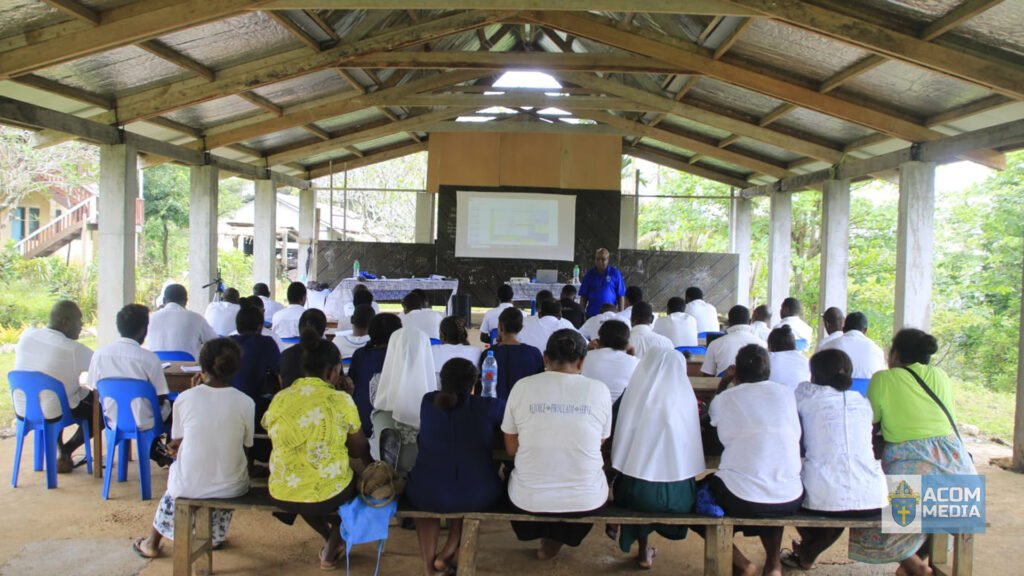
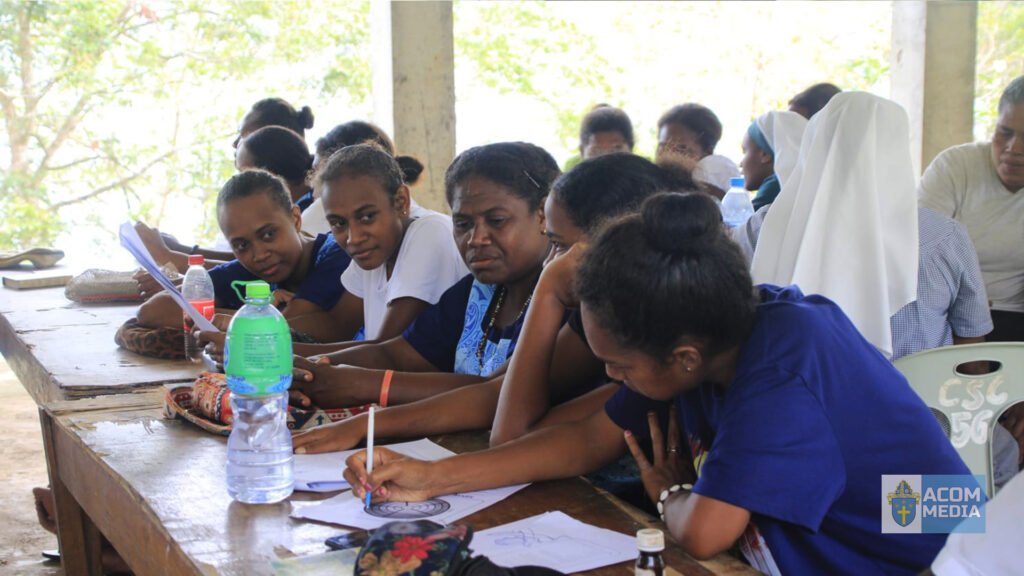
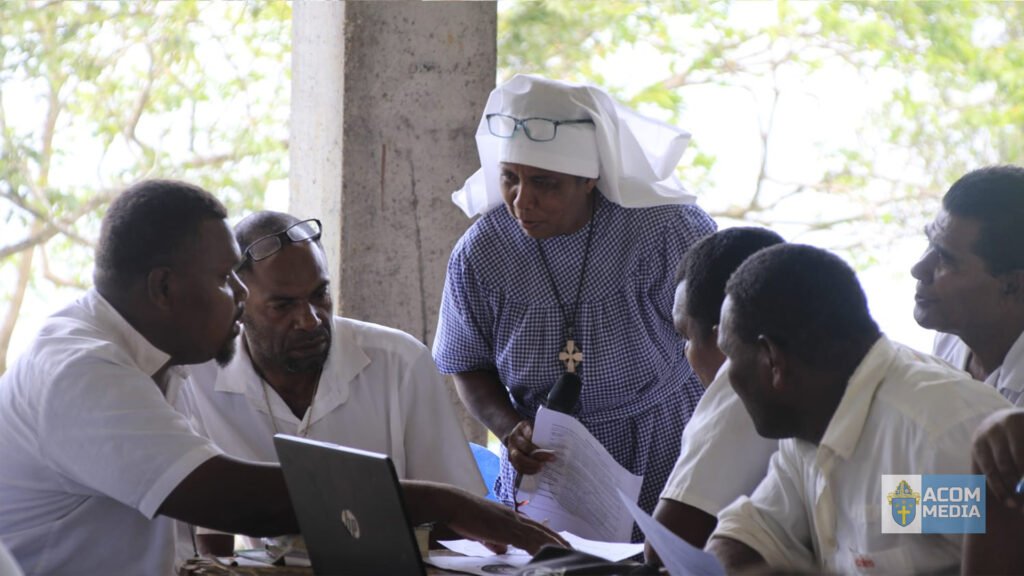
On 1–2 September, 43 participants — including 27 theological students and their spouses — attended sessions at Mano Wadrokal School of Theology and Ministry in Tasia. In the evenings, additional workshops were held at the Diocesan Headquarters Hall in Jejevo, engaging around 140 clergy and lay representatives gathered for the 18th Diocesan Synod.
The sessions were facilitated by Rev. Sr. Veronica and Fr. Thompson Tolei, who guided participants through practical safeguarding measures and theological reflections.
Participants received training in child protection, prevention of sexual exploitation, abuse and harassment, domestic and gender-based violence awareness, family and youth protection, gender equality theology, and disaster resilience theology. The workshops emphasized that safeguarding is not only about policies but about Christian responsibility.
“Churches must be safe a spaces where people — especially children and vulnerable individuals — can worship, learn, and live without fear.” A statement from the training manual stated.
The training also introduced key ACoM policies, including the Child Protection Policy, the Prevention of Sexual Exploitation, Abuse and Harassment Policy (PSEAH), and the Family and Youth Policies. Participants were reminded of the importance of recognizing abuse, responding appropriately to concerns, and ensuring allegations are reported through proper channels. A central message was clear: nurturing, respecting, and caring for children and vulnerable people are part of the core values of faith. Jesus modelled compassion and steadfast care for those who were vulnerable, and by educating leaders and strengthening policies, the Church ensures its communities remain sanctuaries of safety and peace.
As theological students prepare for future ministry and Synod representatives return to their parishes, the challenge now lies in putting the training into practice.
The Melanesian Board of Mission and the ACoM Safe Church Programme expressed gratitude to the Diocese of Isabel for its leadership and commitment. The overarching message was simple yet profound: a Church that proclaims the love of Christ must also be a Church where people are safe.