
 The Anglican Church of Melanesia (ACoM) has taken a bold step in equipping its leaders to respond to the growing challenges of climate change and disasters.
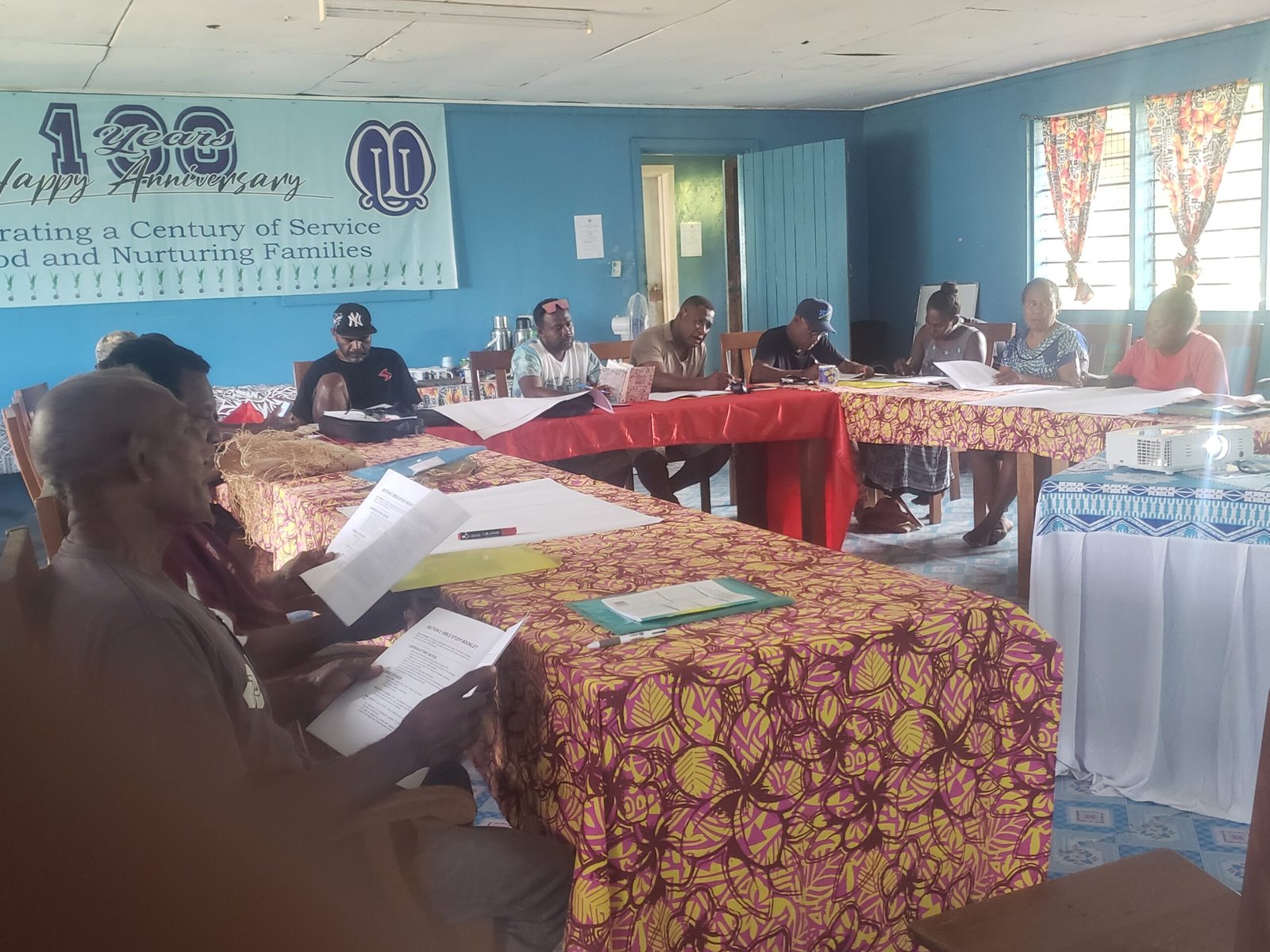
At St Paul Parish in Auki, Malaita Province, church leaders gathered for a four-day Theology of Disaster Resilience in a Changing Climate (TDRCC) workshop, a program funded by DFAFT through CANDO and implemented by the Solomon Islands Christian Association (SICA) on the 3rd to 6th March 2026.
This was the sixth training under the CANDO initiative, designed to deepen participants’ understanding of biblical perspectives on disasters and climate change.
Facilitators Fr Thomson Tolei and Fr Stephen Zaku from the Evangelism office of the Anglican Church of Melanesia led 20 participants — including clergy, correctional service officers, and community volunteers — through sessions on disaster types, climate impacts, and faith-based resilience.
The workshop emphasized that resilience is not only about physical preparedness but also about spiritual strength. By weaving together secular disaster management strategies with biblical teachings, participants explored how churches can become centers of hope and preparedness in their communities.
Fr John Iolani one of the parish Priest in Auki highlighted the church’s critical role in climate advocacy, noting that the Pacific region faces disproportionate impacts from rising seas and extreme weather.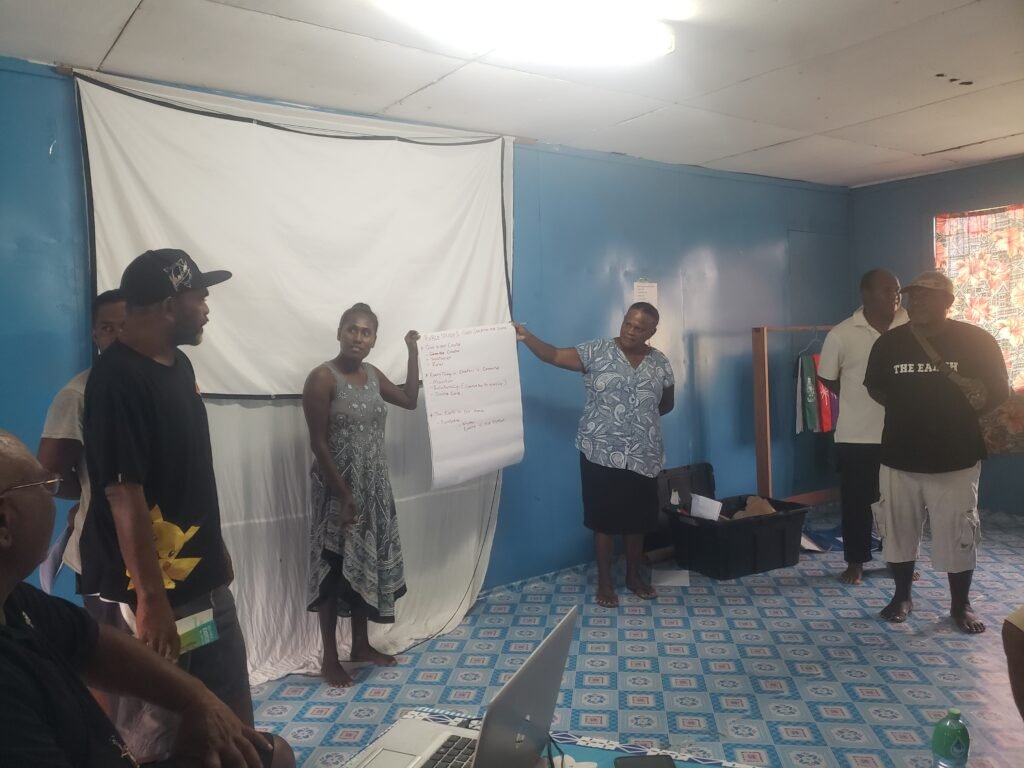
“Our churches must not only preach hope but also prepare communities to face these realities,” he said.
Participants reflected on how discipleship can be lived out in practical ways — from promoting awareness to mobilizing communities for action.
The workshop produced several significant outcomes:
- A stronger grasp of the biblical mandate to care for creation and vulnerable communities.
- Practical strategies for resilience, including climate-smart agriculture, mangrove and coral reef restoration, and inclusive disaster planning.
- Renewed confidence among leaders to communicate hope and preparedness in their congregations.
Ensuring equal participation of marginalized groups — including women, youth, and people with disabilities — was a central challenge.
Organizers responded with inclusive invitations, accessible venues, participatory methods, and safe spaces for dialogue. Achieving gender balance and promoting social inclusion were highlighted as essential for building resilience that truly reflects the body of Christ.
Looking ahead, participants recommended: Scaling up TDRCC training across more communities and institutions; Expanding hands-on skills in food preservation, drought-tolerant crops, and climate-smart farming, and Providing follow-up mentoring to sustain resilience efforts.
The TDRCC workshop was a powerful step forward Church leaders are now equipped to weave disaster resilience into ministry — using scripture, shared stories, and practical tools to help congregations face climate challenges with faith and action.